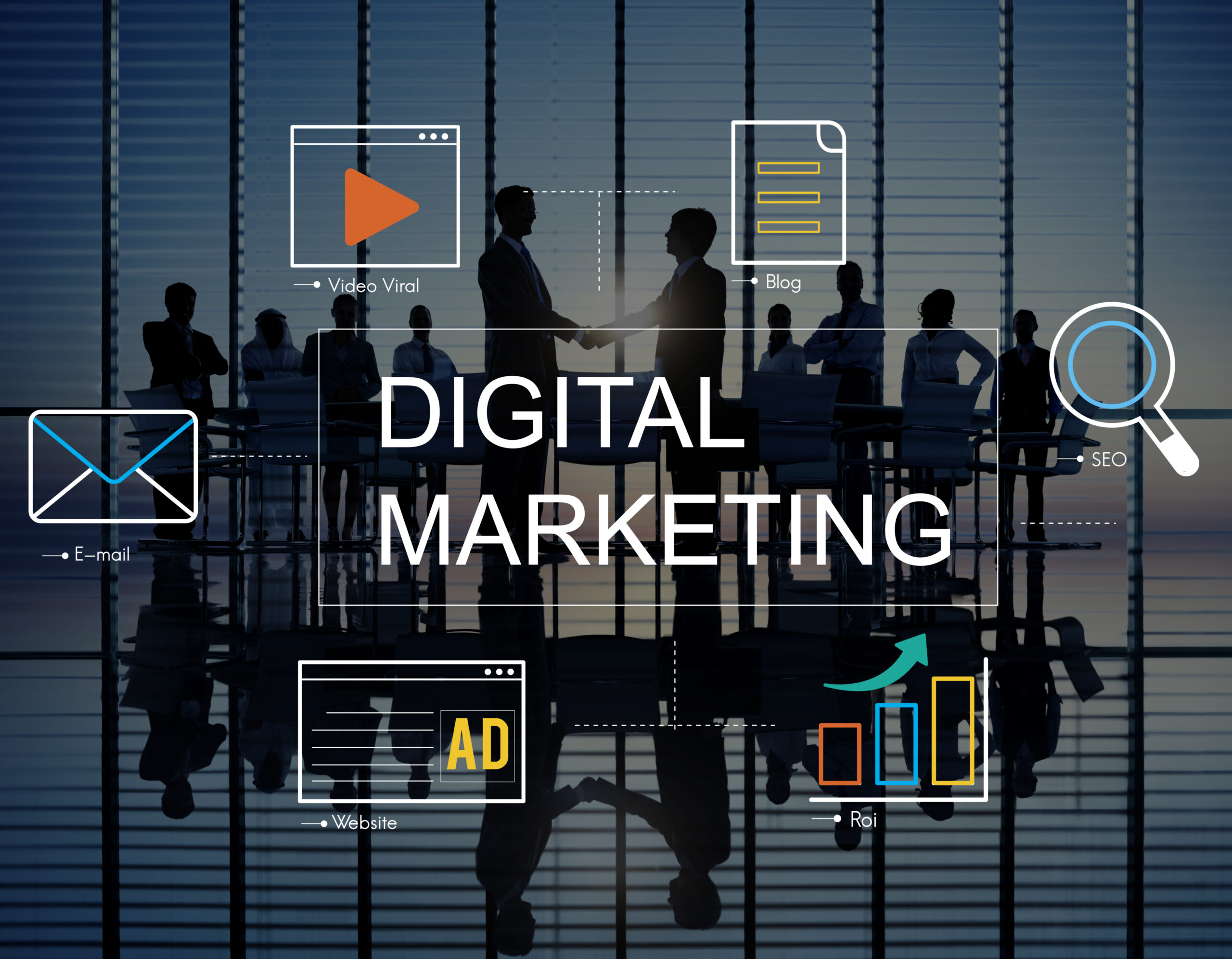
Digital marketing is the way businesses promote their products and services online. Instead of using only TV, radio, or newspapers, companies now use the internet to connect with people where they spend most of their time—on their phones and computers.
Social media platforms like Facebook, Instagram, and LinkedIn help businesses share updates, post pictures and videos, and talk directly to customers. Search engines such as Google also play a big role. When people search for something online, businesses try to appear at the top of the results so they can be easily found.
Email messages, online ads, and helpful blog posts are other simple ways companies stay connected with their audience. One of the best things about digital marketing is that it is affordable and easy to measure. Businesses can quickly see what is working and what is not.
In short, digital marketing makes it easier for businesses to reach people, build relationships, and grow in today’s digital world.
SEO (Search Engine Optimization)
This is the process of improving a website so it appears higher in search results on search engines like Google and Bing. When people search for something online, they usually click on the first few results, so SEO helps a website get noticed. It involves using the right keywords, creating helpful and relevant content, and making sure the website is fast and easy to use. Although it can take time to see results, SEO brings free and steady traffic to a website. In simple terms, SEO helps people find your website more easily on the internet.
SMM (Social Media Marketing)
Social Media Marketing is the process of promoting a business, product, or service through social media platforms. It helps companies connect with people where they spend much of their time online. Platforms like Facebook, Instagram, Twitter, and LinkedIn allow businesses to share posts, photos, videos, and updates to attract and engage their audience. SMM is not just about selling; it is also about building relationships, increasing brand awareness, and gaining customer trust. Businesses can also run paid advertisements on these platforms to reach specific groups of people based on their interests, age, and location. In simple terms, SMM helps businesses grow by connecting and communicating directly with their target audience through social media.
Email Marketing
Email marketing is a simple and personal way for businesses to stay in touch with their customers. Through emails, companies can share updates, special offers, or helpful tips directly with people who are interested in what they do. It’s not just about selling—it’s about building a connection and keeping customers engaged. The best part is that it’s affordable, easy to track, and can be tailored so the right message reaches the right person. In short, email marketing helps businesses keep their audience informed, happy, and coming back for more.
Branding
Branding is all about giving a business or product its own unique personality that people can recognize and connect with. It’s more than just a logo or a name—it’s the feeling, values, and story a company shares with its audience. Strong branding helps people trust a business, remember it, and feel a connection that goes beyond just buying something. In simple words, branding is what makes a business stand out, feel familiar, and earn loyalty from its customers.
Content Marketing
Content marketing is all about sharing helpful and interesting information that people actually want to see. Instead of just trying to sell something, businesses use blogs, videos, social media posts, or guides to educate, entertain, or inspire their audience. When done right, it builds trust, shows that a brand knows its stuff, and creates a connection with customers. In simple words, content marketing is giving people value they care about so they remember your brand and come to you when they need it.